


Singapore is a global city where East meets West — safe, efficient, and culturally rich. Whether you’re a solo professional, a couple, or a family with children, this island offers a seamless blend of modern convenience and tropical warmth. Navigate.sg helps you understand the nuances of local life, so you can plan, adapt, and feel at home more quickly.
Moving to Singapore marks the start of an exciting new chapter — but every relocation comes with its share of questions. This page helps you understand life on the island beyond the skyline: where to live, how much it costs, what daily life feels like, and how to settle smoothly as a professional or a family.
Relocating can feel like stepping into the unknown – but you don’t have to guess when it comes to Singapore. Here’s a practical breakdown of the major cost considerations, so you can decide with clarity.
You might’ve heard that Singapore is expensive – and it can be, depending on your lifestyle. But it’s also quite affordable if you’re on a budget.
Whether you’re flying solo or arriving with a family of five, Singapore offers everything from cozy studios to sprawling landed homes:
| Housing Type | Typical Range (SGD) | Notes |
|---|---|---|
| Shared Room | $1,000–$3,000 | Month-to-month, minimum stay of 3 months |
| 1–2 Bedroom Condo | $3,000–$5,000 | Most common for singles and couples |
| 3+ Bedroom Condo | $5,000–$20,000 | Varies by location and amenities |
| Landed House | $10,000–$150,000 | Private homes with gardens; rare and costly |
| Ultra–Prime Homes | $50,000–$280,000 | Reserved for the ultra high–net–worth tier |
Tip: Most leases are for 2 years, but ask for a diplomatic clause – it allows you to exit early if you’re relocated.
It depends on your job location, school needs, and lifestyle. The city is compact, but travel time matters more than physical distance:
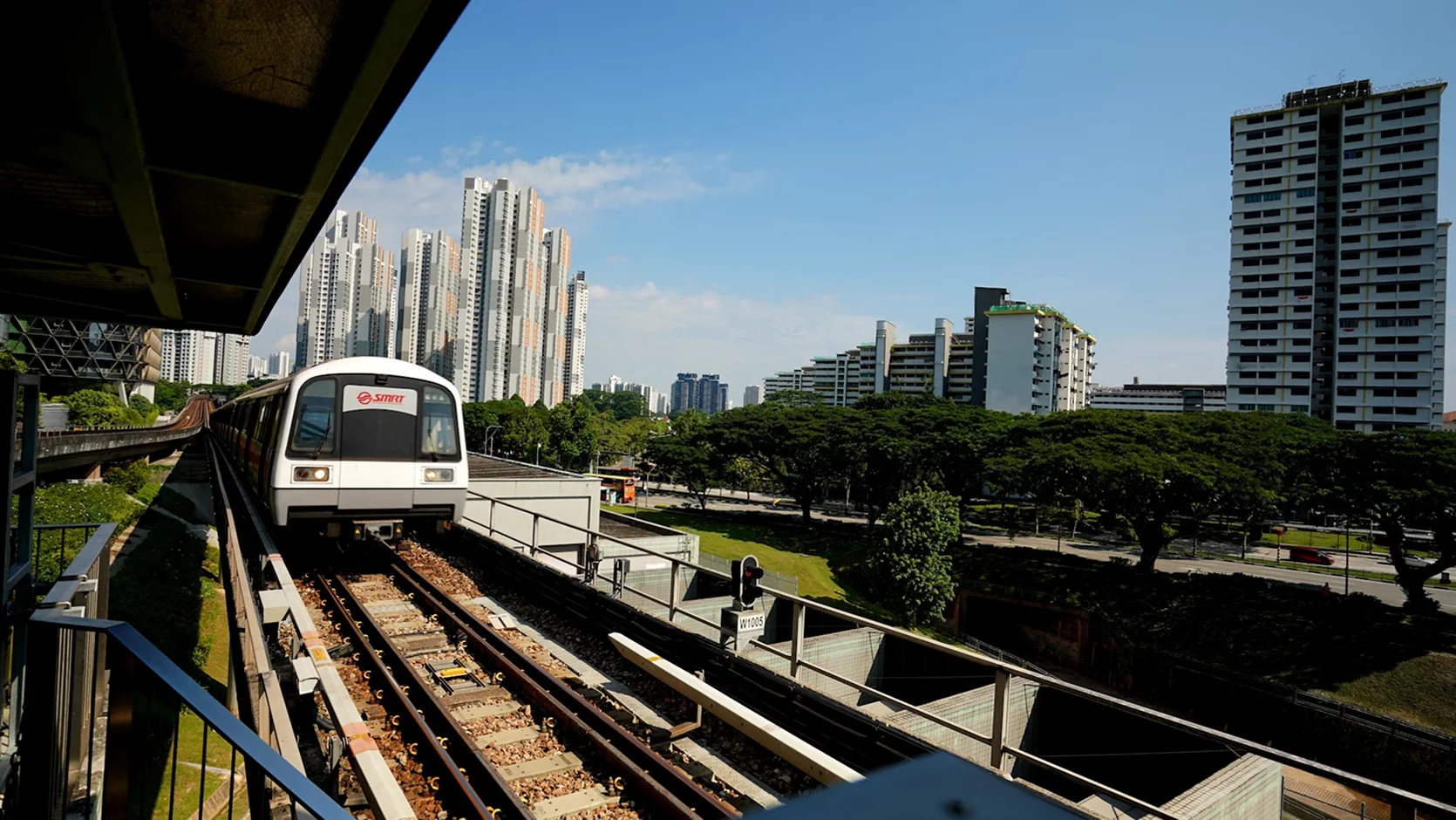
Probably not – at least initially. Here’s why:
| Option | Estimated Monthly Cost | Notes |
|---|---|---|
| MRT + Bus | $128 | Unlimited travel pass |
| MRT + Occasional Grab | $500–$1,000 | Most common mix |
| Grab Only | $1,000–$2,000 | Convenient, cheaper than a car |
| Private Car | $2,000–$5,000 | Taxes, insurance, depreciation costs add up fast |
Singapore levies heavy taxes on cars (e.g. 140% import tax + $100,000 COE) – so most expats rely on Grab, MRT, or a hybrid. If you do choose to drive, it’s usually due to:
You probably won’t need a car – Singapore’s transport network is world–class.
Moving your household to Singapore takes planning – but it doesn’t have to be stressful. Well–known international movers include Crown Relocations, Allied Pickfords, Santa Fe, and Asian Tigers Mobility – all active in Singapore with relocation consultants and door–to–door options.
Tip: Most movers offer unpacking, basic furniture setup, and disposal of packing material.
Singapore is hot and humid year-round, with daytime temperatures around 30–34°C. There’s no cold season, and although rainfall varies month-to-month, expect heavy but brief rain on about half the days of the year.
Tip: All housing has air-con, but you’ll learn which settings suit you best. Some choose breezy fans in well-ventilated homes.
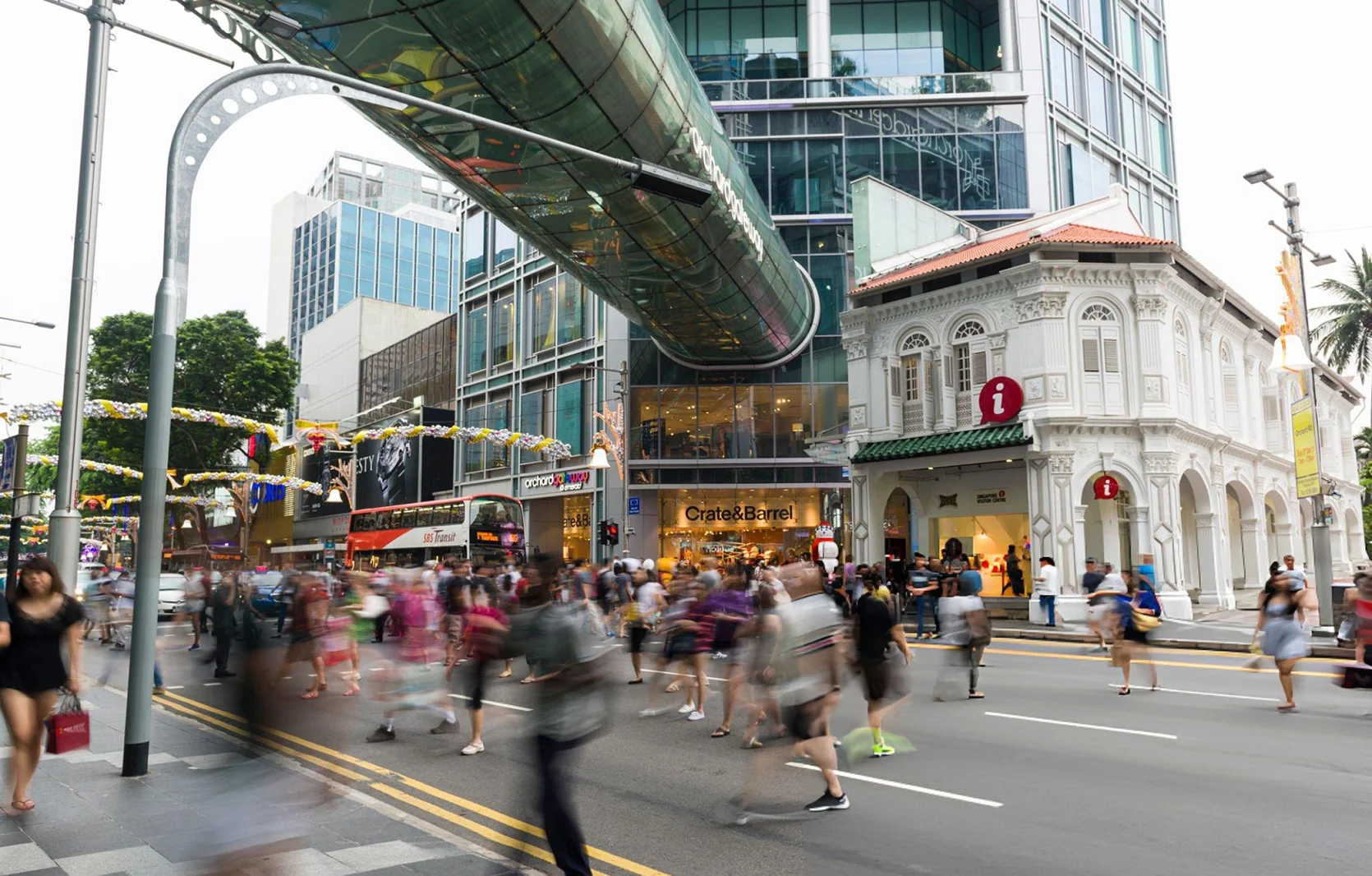
Singapore is widely regarded as one of the safest cities in the world. From spotless MRT stations to low crime rates, it’s a place where families, solo travelers, and professionals feel secure day and night.
The big three Singapore banks — DBS, OCBC, and UOB — all rank among the top global banks. They’re your go-to for local accounts, while digital-only banks offer convenient, online-only options.
All accounts are covered by government-run deposit insurance, up to SGD 100,000 in local currency accounts.
You might be pleasantly surprised by how cheap and fast telecom services are here. Four major networks compete city-wide, keeping prices low and speeds high.
| PARENT NETWORK | SUB-BRANDS |
|---|---|
| Singtel | Gomo, Heya |
| Starhub | Giga, Eight |
| M1 | Maxx |
Home broadband speeds reach up to 1–10Gbps through bundled mobile and broadband deals. For example, Simba offers 1Gbps for SGD 30/month with a 2-year contract.
Singapore may be urban and compact, but its town planning is exceptional. Whether you’re after a morning jog around tropical flora or a weekend workout, you’ll find no shortage of inviting clean and dynamic green recreation heart havens.
From the Botanic Gardens to Pulau Ubin’s trails—dozens of publicly available parks, nature reserves, and cycling routes make outdoor life possible even for those without private cars. New trails like the Rail Corridor reveal the city’s natural beauty and immerse Singaporeans in its green balance of concrete and nature.
| Type | Locations | Highlights |
|---|---|---|
| UNESCO & Flagship Gardens | Botanic Gardens, Gardens by the Bay | Month-to-month minimum stay of 3 months |
| Nature Reserves | Bukit Timah, Central Catchment, Dairy Farm, Windsor | Most common for singles and couples |
| Wetlands & Islands | Sungei Buloh, Pulau Ubin | Variety of locations and amenities |
| City Green Spaces | Fort Canning Park, Tiong Bahru Park, Jurong Lake Gardens | Private homes with gardens; rare and costly |
| Coastal Parks | East Coast, West Coast Park, Pasir Ris Park | Reserved for the ultra high-net-worth tier |
| Linear Trails | Rail Corridor, Kallang River Park Connector | Reserved for the ultra high-net-worth tier |
| Pocket Parks & Green Roofs | Found in nearly every district | Worth the walk |
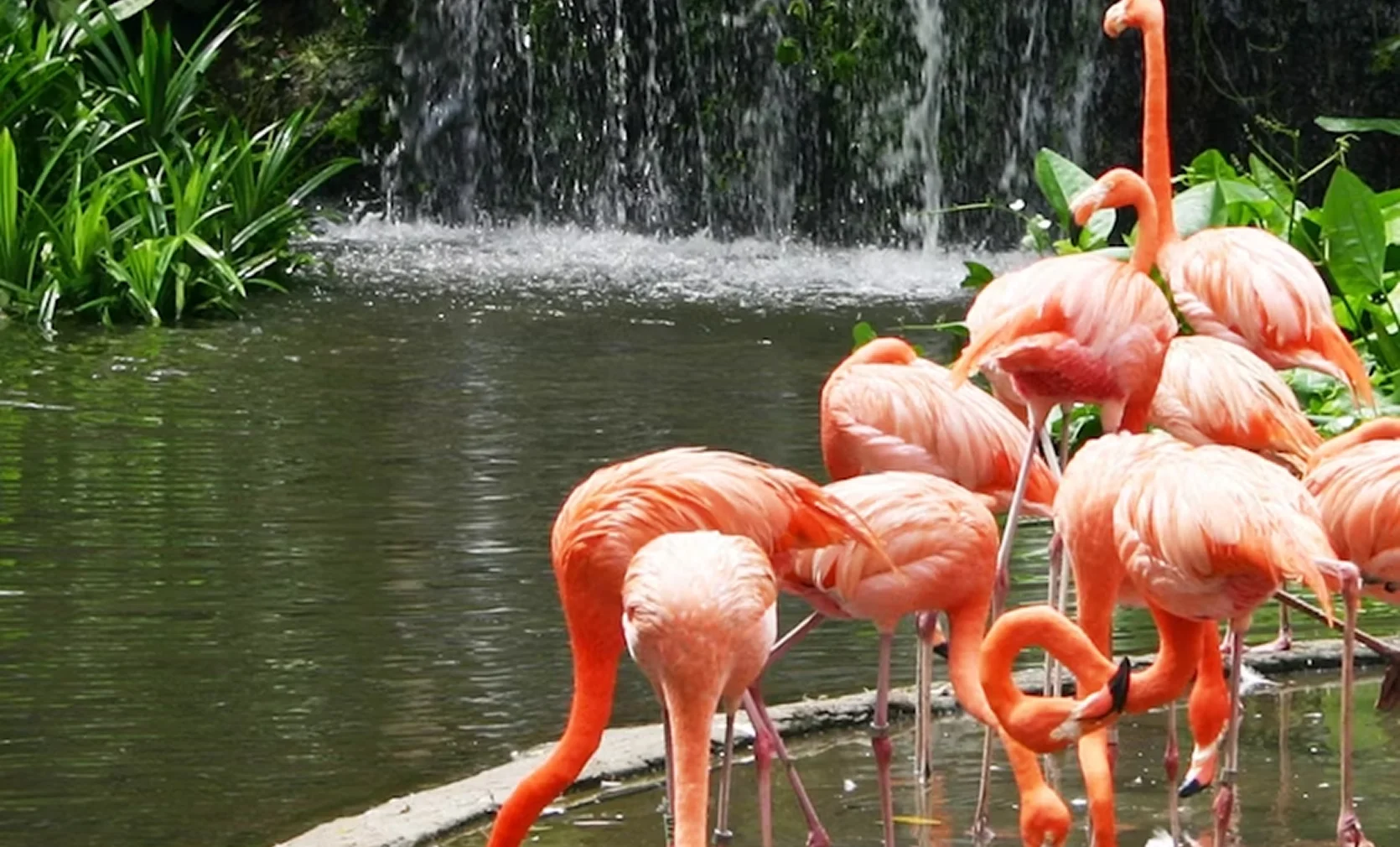
Cycling is growing rapidly in Singapore—not just as recreation, but as a practical way to commute. The Park Connector Network (PCN) links parks and neighborhoods across more than 300 km of routes.
Singapore supports many charities and volunteer platforms. Expat professionals often participate through organized groups or social media communities.
| Group | Focus | Website |
|---|---|---|
| Willing Hearts | Daily meals for under-served communities | willinghearts.org.sg |
| ACRES | Animal rescue & wildlife education | acres.org.sg |
| Babes Pregnancy Crisis Support | Help teens in crisis pregnancies | babes.org.sg |
| Singapore Red Cross | Disaster relief & education outreach | redcross.sg |
| Expat Giving | Volunteer hub for expats | expatgiving.org |
Living in Singapore puts you within a few hours of world-class travel spots. Here are nearby weekend getaways:
| Country | Hotspots | Travel Time |
|---|---|---|
| Malaysia | Langkawi, Desaru, Tioman Island | 2–3 hrs by car or ferry |
| Indonesia | Bintan, Bintan, Bali | 1 hr (Bintan ferry); 2.5 hrs (Bali flight) |
| Thailand | Phuket, Krabi, Bangkok | 2–3 hrs by direct flight |
| Philippines | Cebu, Boracay, Palawan | 3–4 hrs by air |
Whether your child is a toddler or a teenager, Singapore offers an abundance of education options. With substantial and high-quality curriculums, international schools, and safe environments that truly suit your needs.

Preschool in Singapore caters to kids from ages 18 months to 6 years old.
Program offerings often comprise:
Below are some of the popular preschools and monthly enrollment options. You should contact them for updates each year.
| Preschool Chain | Est. Branches | Est. Staff Ratio (T:S) | Est. Monthly Fees (SGD) |
|---|---|---|---|
| Pat’s Schoolhouse | 20+ | High (1:8-10) | $2,200 – $2,800 |
| Montessori (Various) | 40+ | High (1:6-10) | $1,800 – $2,200 |
| Maple Bear | 40+ | Medium (1:8-12) | $1,600 – $2,000 |
| Stamford American (ECC) | 2 | High (1:6-10) | $3,000 – $3,500 |
| Little Kickers Kindergarten | 10+ | High (1:8-12) | $1,800 – $2,000 |
| Mulberry Learning | 40+ | Medium (1:8-10) | $1,900 – $2,500 |
| Kinderland | 60+ | Medium (1:8-10) | $1,600 – $2,300 |
| Little School-House | 15+ | Moderate (1:10-20) | $1,600 |
| The Children’s House | 20+ | Moderate (1:10-20) | $1,500 – $1,800 |
| Adventure Tree | 40+ | Moderate (1:10-15) | $1,600 – $1,800 |
| Little Genius House | 40+ | Low (1:10-15) | $1,400 – $1,800 |
| Star Learners | 40+ | Low (1:10-15) | $1,400 – $1,800 |
| Odyssey The Global Preschool | 10+ | High (1:8-10) | $2,600 – $3,000 |
| Chiltern House | 10+ | High (1:8-10) | $2,500 – $3,000 |
| EtonHouse | 40+ | Medium (1:8-10) | $2,200 – $3,000 |
| MindChamps | 40+ | Medium (1:8-10) | $2,200 – $2,800 |
| My First Skool | 150+ | Very Low (1:15-20) | $700 – $900 |
| PCF Sparkletots | 350+ | Very Low (1:15-20) | $720 – $800 |
| MCE Kindergarten | 30+ | Very Low (1:15-20) | $600 – $1,400 |
Many expatriate families choose international schools for continuity with global curricula, language familiarity, and holistic development. Options include American, British, German, Japanese, French, Australian, or IB programs. Most are open to expats and PR residents.
| School Name | Language | Curriculum | Annual Tuition (SGD) |
|---|---|---|---|
| International French School Singapore | French | French National | $20k – $31k |
| Singapore American School | English | American | $34k – $45k |
| Canadian International School | English + French | IB + Ontario | $32k – $37k |
| Stamford American School | English | IB (3 programs) | $26k – $38k |
| Dover Court International School | English | IB (early years to GCSE) | $20k – $34k |
| The British School Singapore | English | British (GCSE + A levels) | $32k – $37k |
| Tanglin Trust School | English | British | $33k – $36k |
| St. Joseph’s Institution International | English | IB + Catholic Ethos | $30k – $34k |
| Hollandse School (HSL) | Dutch | Dutch National + IB PYP | $18k – $24k |
| Swiss School Singapore | German + English | Swiss + German | $21k – $28k |
| Japanese School Singapore | Japanese | Japanese National SY | $12k – $20k |
| Australian International School | English | Australian IB | $36k – $48k |
Singapore hosts top universities recognized globally for excellence and innovation across disciplines. Below are some of the leading institutions and their key strengths:
| University | Key Strengths | Est. |
|---|---|---|
| National University of Singapore (NUS) | Comprehensive research + global ranking #8 QS 2025; engineering, strong social sciences. | 1905 |
| Nanyang Technological University (NTU) | Top Asian University for innovation and research in STEM. | 1955 |
| Singapore Management University (SMU) | Business, law, economics, social science courses; city campus. | 2000 |
| Singapore University of Technology & Design (SUTD) | Design-oriented learning; MIT partnered curriculum. | 2009 |
| Singapore Institute of Technology (SIT) | Applied learning + strong industry link programs. | 2005 |
| Singapore University of Social Sciences (SUSS) | Focus on lifelong learning; flexible working adults. | 2005 |
| University of the Arts Singapore (UAS) | Fine arts, design media; new public arts university. | 2024 |
| University | Origin | Campus Type | Degrees Offered |
|---|---|---|---|
| INSEAD Asia Campus | France | Full campus | MBA, EMBA, Executive ED |
| ESSEC Business School | France | Full campus | BBA, MBA, EMBA |
| James Cook University | Australia | Full campus | Bachelor, MBA, PhD |
| SP Jain School of Global Management | Dubai | Full campus | BBA, MBA, EMBA |
| Kaplan Singapore | Australia | Full campus | Bachelor, MBA, PhD |
| Embry-Riddle Aeronautical University | USA | Full campus | Aviation & Aeronautics |
| PSB Academy Business School | UK | Full campus | Business Management, Engineering |
| Berlin School of Business & Innovation | Germany | Full campus | MBA, MSc |
| Sorbonne Assas Intl Law School | France | Law program | LL.M in Law |
| Booth School of Business (Univ of Chicago) | USA | Exec campus | Executive MBA |
| University of Adelaide (SG) | Australia | Exec campus | U.G. PG (Limited) |
📍 Quick Tip: Singapore’s education system supports bilingual development — English is the medium of instruction alongside a Mother Tongue language (Chinese, Malay, or Tamil).
🧠 Explore open house events and community forums for private schools based on settlement regions and child profile goals.
Hiring a live-in domestic helper is common among expat families. Helpers can assist with housekeeping, cooking, childcare, errands, and even pet care. There are around 300,000 Foreign Domestic Workers (FDWs) in Singapore, mostly from:
Helpers legally must live in your home, typically in their own room. Some condos have dedicated helper rooms.
| Route | Description | Best For |
|---|---|---|
| Transfer Helper | Already working in Singapore; can change employer | Fast onboarding, proven experience |
| Hire from Overseas | New hire from approved country | More control, longer lead time |
| Rehire Former Helper | Previous helper returning from home country | Trusted relationship |
All hires must go through a licensed agency. You must provide:
| Item | Typical Range (SGD) |
|---|---|
| Monthly Salary | $550 – $1,000 (varies by nationality and experience) |
| Levy (Gov’t Tax) | $300/month (lower for Singaporeans/PRs) |
| One-time Agency Fees | $500 – $1,500 |
| One-time Setup Costs | Up to $1,000 (documentation, travel, etc.) |
| Medical Insurance | ~$300/year |
💡 Tip: Some ethical agencies, like We Are Caring, eliminate salary deductions for helpers.

Yes – you can bring your cat, dog, or other furry friend with you. The process involves paperwork, planning, and possibly quarantine.
| Company | Highlights | Website |
|---|---|---|
| Jason’s Pet Relocation | Over 200 cities; physiotherapist-led team | petrelocationsg.com |
| PetRelocation.sg | Decades of experience; full-service support | petrelocation.sg |
| Savvy Pet Relocation | Door-to-door service; AVS-registered | savvypetrelocation.com |
| Mitchelle Relopet | Led by ex-police dog unit head; IATA cages | mitchelle.com.sg |
| Shiloh Animal Express | Handles exotic pets; 24/7 support | shilohanimalex.com |
| Peter Pet Services | 25+ years experience; boarding/vet services | peterpet.com.sg |
| Pets 2 Go | AVS-recognized agent; private jet options | pets2go.sg |
| Pampered Pets | Boutique agency; tailored transport plans | pam-pets.com |
| Clinic | Location | Highlights |
|---|---|---|
| Mount Pleasant Veterinary Group | Multiple | Full-service clinics + 24-hour emergency |
| Amber Vet & Amber Cat Vet | East Coast | Advanced diagnostics, feline-only clinic |
| Genesis Veterinary Clinic | Yishun | Trusted neighborhood clinic |
| Companion Animal Surgery | Balestier | Long-established, surgical expertise |
| Animal Recovery Vet Centre | Serangoon | Specialist referrals, rehabilitation |
| Island Veterinary Clinic | Jurong & Bedok | Accessible locations, general care |
| The Visiting Vets | Botanic Gardens | Offers home visits – great for anxious pets |
| Frankel Veterinary Centre | East Coast | Holistic care, TCVM, and diagnostics |
| Vets for Life Animal Clinic | Tanjong Katong | Ethical, professional care |
💰 Typical Costs:
• Consultation: $25–$70
• Vaccination: $30–$150
• Dental Scaling: $150–$700
• Sterilization: $150–$1,000
Singapore's workplace blends Asian values with Western business practices. You'll notice:
| Visa Type | Who It's For | Notes |
|---|---|---|
| Employment Pass (EP) | Professionals earning $5,000+/month | Most common for expats |
| S Pass | Mid-skilled staff earning $3,150+/month | Subject to quotas and levies |
| Dependent Pass | Spouse or child of EP/S Pass holder | Can study or apply for jobs |
| Long-Term Visit Pass (LTVP) | Common-law partners, parents | Requires sponsor |
Tip: Employers typically sponsor your pass.

Yes - but it's competitive and requires planning.
| Item | Typical Range (SGD) |
|---|---|
| Monthly Salary | $550 - $1,000 (varies by nationality and experience) |
| Levy (Gov't Tax) | $300/month (lower for Singaporeans/PRs) |
| One-time Agency Fees | $500 - $1,500 |
| One-time Setup Costs | Up to $1,000 (documentation, travel, etc.) |
| Medical Insurance | ~$300/year |
Tip: Some ethical agencies, like We Are Caring, eliminate salary deductions for helpers.
| Factor | Influence | Notes |
|---|---|---|
| Employment & Salary | Very High | Stable job; higher salary = stronger contribution |
| Educational Qualifications | High | Degrees from recognized institutions; STEM is a plus |
| Length of Stay in SG | High | 1-2+ years preferred; shows commitment |
| Industry Alignment | High | Working in priority sectors (tech, finance, healthcare) |
| Family Ties in SG | Positive | Spouse or children who are SG citizens or PRs |
| Community Involvement | Helpful | Volunteering or cultural engagement shows integration |
| Application Quality | Crucial | Well-prepared documents, clear intent matter |
Navigate.SG - Copyright . All rights reserved.

We must explain to you how all seds this mistakens idea denouncing pleasures and praising account. All seds this mistakens idea denouncing pleasures.

 Chat with Our Team